Welcome to the Future Problem Solving Program
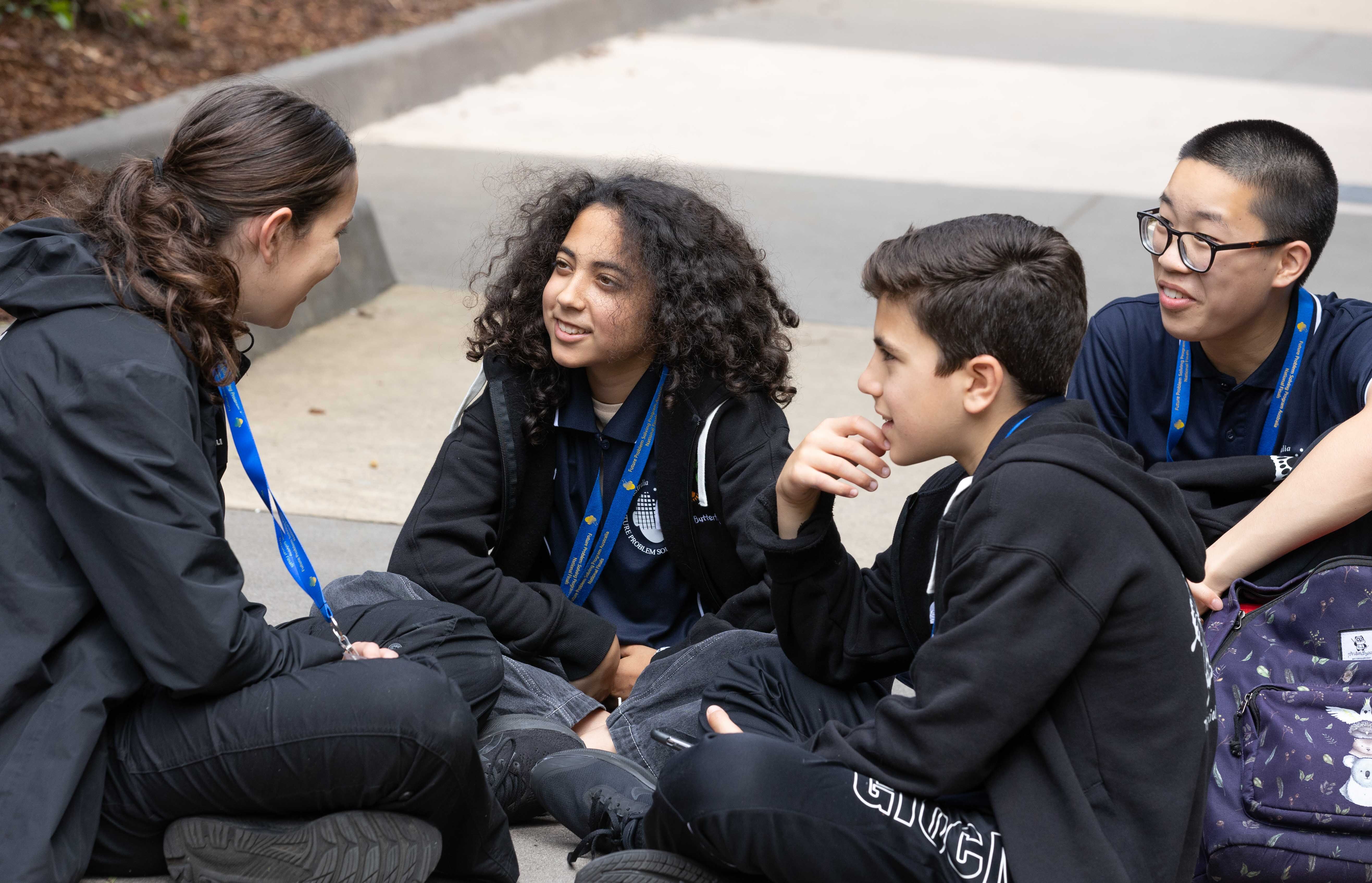
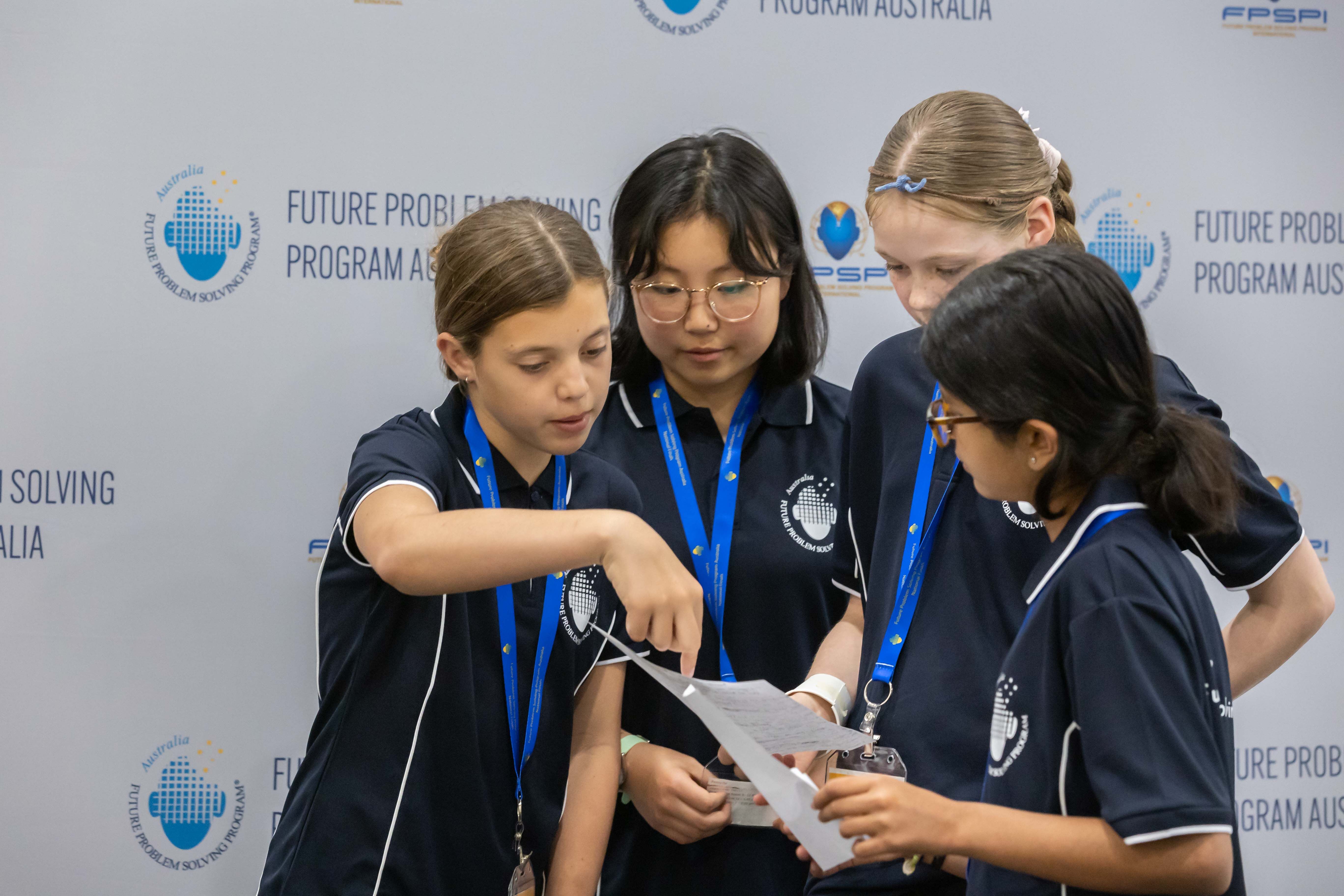
Future Problem Solving is an international educational program for students of all ages from P - 12 that focuses on the development of creative thinking skills. In particular, it centres on the skills of problem identification and positive solutions to those problems. Above all, it aims to give young people the skills to design and promote positive futures for the society in which they live. 

The aim of Future Problem Solving is essentially to develop critical, creative and futuristic thinking skills. It challenges students to apply their imagination and thinking skills to some of the significant issues facing both the world of today, and the future, equipping them with the skills and vision needed to anticipate, comprehend and solve problems associated with these issues, helping them to have a positive impact in the society of the future.
Read more...
 

A Program Option...

  • The Global Issues Problem Solving (Booklet Program) begins when a school registers one or more teams and finds coaches - usually, but not necessarily, teachers - to work with team members. Coaches and teams work together to learn and practise the skills involved in the six-stage creative problem solving process. They then apply these skills gradually…
  • Scenario Writing is another component of the multi-faceted Future Problem Solving Program. Students develop and submit pieces of writing containing up to 1500 words. These 'scenarios' are written in short story format, are based on one of the topics chosen for the year and must be set at least twenty years into the future.


  • Community Problem Solving is a Program where students apply the problem solving process they have learned to real-life problems within their communities. Reports of problem solving projects are evaluated and winners at each of the age divisions may receive invitations to attend the International FPS Conference.
  • Action-based Problem Solving has been designed specifically for use in Prep-Year 4 classrooms. The whole class works together as a 'team' to complete the challenges that are presented to them. It introduces the classroom teacher and students to creative problem-solving and higher-level thinking and action skills in a non-threatening environment.


  • storytelling-1Scenario Performance (Competitive)
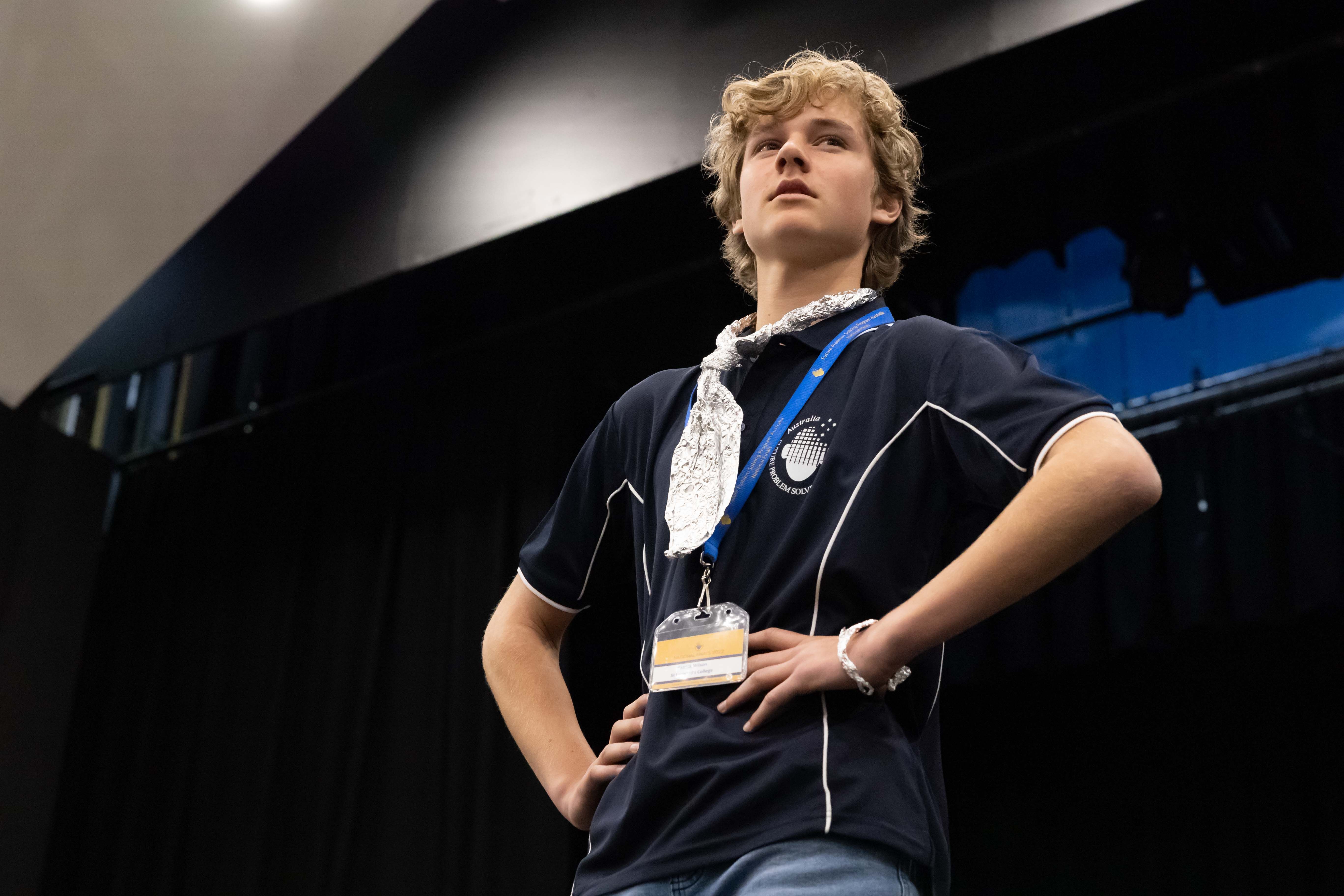
    An oral storytelling activity for individual students that offers them the opportunity to enlarge, enrich and make more accurate their images of the future. Students are challenged to create a story of between 4-5 minute duration, set at least 20 years in the future, and that arises from any one of…
  • The School Curriculum Program involves using the FPS process as a basis for curriculum development and integrating the process into the mainstream learning program. This can be achieved by using the FPS process and/or Program components within a range of specific subject areas as well as interdisciplinary programs.


Mailing Lists

Subscribe to Future Talk, our quarterly newsletter.


Receive HTML?
Opt out of HTML format here

"Those of us who have the honour to be involved with this Program feel it is the most important program in education today"

Anne Crabbe, Former International Director
"You can seriously feel your mind expand and your line of vision broaden … it expands your horizons far beyond what you would normally experience in a classroom, and provides a challenge for the most enquiring of minds to research and consider issues in detail which they may never have believed were within their range"

Year 12 Australian student.
"Participation in FPS yielded numerous benefits for students, including problem solving skills, expanded research skills, the development of critical analysis, team work and an understanding of how their education can be used outside the classroom"

An Australian coach.
"FPS is also one of the rare opportunities to get experience in academic teamwork rather than just in sport. It is also unique in that it is a year-long program, which forces you to develop other skills in committment and organisation in the team situation"

Year 12 Australian student.
ISI Web Design